Source Single Deck Used Coach for Transit and Tours
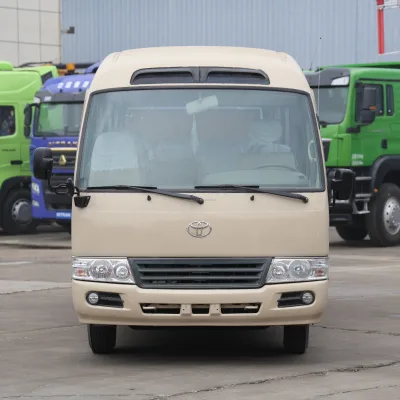
Explore 30 listings for single deck used coach vehicles suitable for city transit, intercity routes, and tourist tours. Compare specifications including engine types, seating capacities, and dimensions to find the right fit for your fleet needs; compare the available evidence and request quotations based on your requirements.
Key considerations
Products List


$14200.00 - $14800.00
Moq: 1



Comprehensive Sourcing Guide
Single Deck Used Coach Sourcing Guide
Procuring a single deck used coach requires careful evaluation of the vehicle's structural integrity and operational history, as these assets often serve long-haul transit or intercity routes. Buyers must prioritize units with verified mileage and engine displacement, noting that observed listings frequently feature diesel engines exceeding 8 liters, such as the Yc6l310-30 or Wp10.336e53 models. The condition of the chassis and suspension systems, whether steel or airbag, directly impacts ride quality and maintenance costs for operators managing large fleets.
The market for these vehicles often highlights customization options for seating arrangements and steering configurations, allowing buyers to tailor the interior to specific route requirements. Listings indicate that seat quantities can be customized or range significantly, with some units offering over 60 seats while others are configured for smaller groups. Understanding the specific model codes, such as ZK6127HB or KLQ6122, helps in sourcing parts and verifying the original manufacturer's build quality before finalizing any acquisition agreement.
Product Scope and Observed Listing Signals
Buyers should analyze the physical dimensions and overall structure of the coach to ensure it fits their operational infrastructure and parking constraints. Observed specifications often include an overall length of 12,000 mm with widths around 2,550 mm, though height variations exist between 3,600 mm and 3,830 mm depending on the specific model and roof equipment. These dimensions are critical for determining compatibility with terminal facilities and tunnel clearances in the intended service region.
Color and exterior finish are often customizable, with white, blue, and red being common options, yet the primary focus must remain on the mechanical condition rather than aesthetics. The observed listings confirm that these units are strictly used, with mileage records ranging from 10,000 to 30,000 kilometers, which serves as a key indicator of remaining service life. Buyers must verify that the tire type, typically 295/80r22.5, matches the load requirements and that the single-deck structure remains free of significant corrosion or structural fatigue.
Technical Specifications to Verify
Engine performance and displacement are the most critical technical parameters to validate, as they dictate fuel efficiency and power output for heavy loads. Verified data points to engines with displacements around 8.4 liters or 9.7 liters, producing power outputs between 180 kW and 247 kW. It is essential to cross-reference the specific engine model, such as the Yc6l330-30, against the vehicle's total weight, which can reach up to 17,750 kg, to ensure the powertrain is not overstressed.
Transmission and steering systems also require rigorous inspection to confirm operational reliability and driver comfort. Most observed units utilize manual transmissions, which are robust for heavy-duty applications, while steering configurations are available in both left-hand drive and right-hand drive formats. Buyers must verify the suspension type, as some units feature steel springs while others offer airbag suspension, a factor that significantly influences passenger comfort and the longevity of the vehicle's frame under varying road conditions.
Compliance and Safety Documentation
Regulatory compliance is a non-negotiable aspect of sourcing used coaches, particularly regarding emission standards and safety certifications. While specific emission standards vary by region, the presence of ISOCCC certification on some listings suggests a baseline for quality management systems, though buyers must independently verify local regulatory acceptance. The vehicle's origin, often traced to Shandong, China, necessitates a thorough check of export documentation to ensure the unit meets the import regulations of the destination country.
Safety features and structural standards must be confirmed through available documentation rather than visual inspection alone. The listed product standards, such as dimensions of 12,000×2550×3600 mm, imply adherence to specific manufacturing tolerances, but buyers should request detailed inspection reports. It is vital to ensure that the vehicle's total weight and axle load configurations comply with the legal limits of the operating jurisdiction to avoid fines or operational restrictions during transit.
Cost Drivers and Commercial Terms
Pricing for single deck used coaches is heavily influenced by the engine capacity, mileage, and the extent of any prior customization. The observed price range spans from approximately 5,999 to 38,000 USD, reflecting the wide variance in vehicle age, condition, and specific model features. Buyers should correlate the listed price with the engine power and displacement, as higher output engines and lower mileage units typically command a premium in the secondary market.
Commercial terms regarding shipping and packaging are equally important, as these assets are large and require specialized logistics. Listings indicate that packing methods involve standard shipment procedures, but buyers must clarify whether the price includes freight, insurance, and customs duties. The minimum order quantity is typically one unit, allowing for flexible procurement, yet the lead time and final delivery costs should be negotiated explicitly to prevent unexpected expenses that could erode the initial cost advantage.
Supplier Qualification and Quality Control
Verifying the supplier's ability to provide accurate vehicle history and technical data is essential for mitigating procurement risks. Buyers should request detailed logs of maintenance, repair records, and previous ownership to confirm the authenticity of the mileage and condition claims. Since customization is available, the supplier must demonstrate the capability to provide clear documentation on any modifications made to the seating, steering, or engine systems prior to sale.
Quality control processes should extend beyond the initial inspection to include a pre-shipment verification of critical components. Suppliers offering units with specific tire types and suspension systems must guarantee that these parts are in good working order and match the specifications listed. Establishing a clear communication channel for technical queries ensures that any discrepancies in the engine model or power output are resolved before the transaction is finalized, protecting the buyer from receiving non-compliant assets.
Long-Term Procurement Checks
Sourcing a used coach is not a one-time transaction but the beginning of a long-term asset management cycle that requires ongoing verification. Buyers should establish a schedule for regular inspections of the engine, transmission, and suspension systems to monitor wear and tear, especially given the high mileage potential of these vehicles. Maintaining a detailed log of all maintenance activities will help in predicting future repair costs and planning for eventual component replacements.
Part availability and supplier support are critical factors for the long-term viability of the fleet. Since models like the ZK6122 or Higer 6122 are common, buyers should confirm the availability of spare parts in their region to minimize downtime. Engaging with suppliers who offer continued technical support and warranty options for used units can provide a safety net, ensuring that the procurement decision remains sound throughout the vehicle's operational lifespan.
FAQs
What is the typical engine capacity for a single deck used coach?
The typical engine capacity exceeds 8 liters, with specific models featuring displacements around 8.424 liters or 9.726 liters. These diesel engines provide robust power for long-distance travel, ensuring reliable performance for commercial transport operators seeking efficient and durable vehicle solutions.
Can the seating configuration be customized for a single deck used coach?
Yes, seating is fully customizable to meet specific operational needs. While standard configurations may offer 31 to 67 seats, buyers can request tailored layouts. This flexibility allows operators to optimize passenger capacity according to their specific route requirements and service type.
What are the standard overall dimensions for a single deck used coach?
Standard overall dimensions typically measure 12000mm in length, 2550mm in width, and heights ranging from 3600mm to 3830mm. These large-size specifications ensure ample interior space while maintaining compliance with standard road transport regulations for heavy-duty passenger vehicles.
Which certifications are commonly associated with single deck used coaches?
ISOCCC certification is commonly associated with these vehicles, indicating adherence to specific quality and management standards. Buyers should verify documentation to ensure the coach meets international operational requirements and maintains a reliable history of maintenance and structural integrity for safe usage.
What is the typical mileage range for a single deck used coach?
Typical mileage ranges from 10,000 to 30,000 kilometers, with some units recorded around 16,000 kilometers. This moderate usage level suggests the vehicles are well-maintained and suitable for immediate deployment, offering a balance between cost efficiency and remaining operational lifespan.
How is the suspension system configured in a single deck used coach?
Suspension systems are available in steel or airbag configurations. Steel suspension offers durability and lower maintenance costs, while airbag options provide enhanced passenger comfort. Buyers can select the appropriate type based on their priority for ride quality versus operational robustness.